Introduction to Wearable Technology
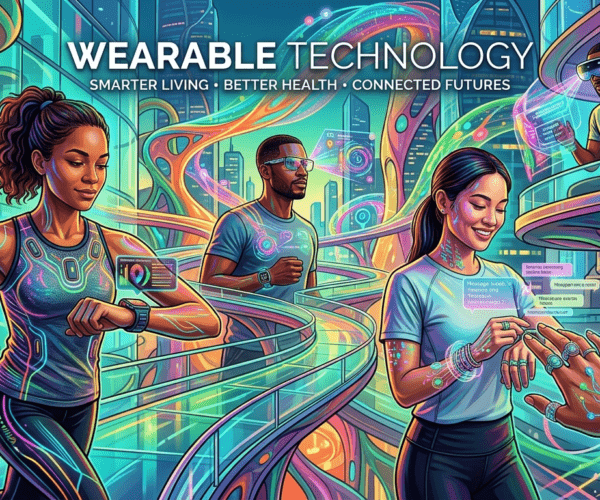
Wearable technology refers to any electronic device that is attached to or worn on the body, which incorporates advanced technology to perform various functions. This category of devices includes smartwatches, fitness trackers, smart glasses, and even wearable medical devices. In recent years, the adoption of wearable technology has expanded rapidly, significantly influencing how individuals monitor their health, stay connected, and manage daily tasks.
The prevalence of these devices in contemporary society illustrates their relevance in enhancing everyday life through smart integration. Fitness enthusiasts often utilize wearable fitness trackers to monitor their physical activity, heart rate, and sleep patterns. Similarly, smartwatches now offer functionalities such as notifications, internet connectivity, and various applications, making them an essential tool for managing one’s schedule and communications.
Beyond personal use, wearable technology has found substantial applications in healthcare. Innovations in this field allow patients and doctors to access real-time health data, leading to improved outcomes and more timely interventions. Wearable medical devices can track vital signs, alert medical professionals to emergencies, and even assist in chronic disease management. The convergence of technology and health monitoring signifies a remarkable shift in healthcare delivery, showcasing wearable technology’s potential to improve quality of life.
In conclusion, wearable technology has transcended mere novelty to become an integral aspect of modern living. It fosters greater awareness of health and wellness, facilitates seamless connectivity, and drives innovation within various industries. As these devices continue to evolve, they promise to further enrich our daily experiences, paving the way for enhanced personal and professional productivity.
Types of Wearable Technology
Wearable technology has rapidly gained prominence, with various types entering the market, thereby catering to different user needs and preferences. The most common categories include fitness trackers, smartwatches, smart clothing, and health-monitoring devices.
Fitness trackers, often worn around the wrist, are designed to monitor physical activity, track steps, calories burned, and sometimes even sleep patterns. These devices appeal primarily to fitness enthusiasts and individuals seeking to improve their overall health. The data captured is typically synced to a smartphone application, enabling users to set fitness goals, analyze their performance, and stay motivated.
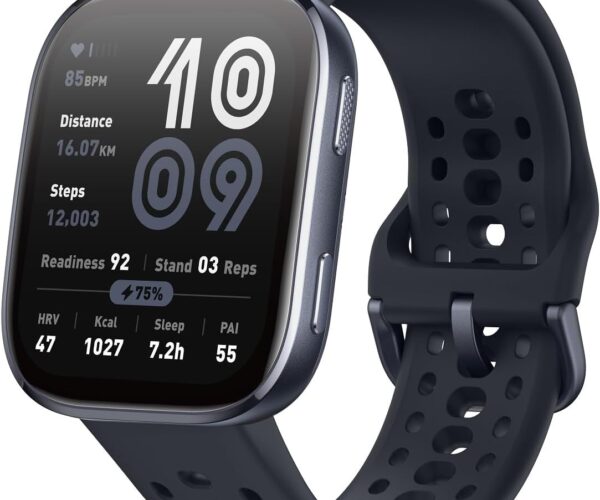
Smartwatches are another significant category within the realm of wearable technology. They not only function as timekeepers but also serve as an extension of the user’s smartphone. Equipped with features such as notifications for calls, messages, and app alerts, smartwatches allow for a certain level of connectivity on the go. Some advanced models come with health-focused capabilities, including heart rate monitoring and GPS functionality, making them appealing to tech-savvy individuals, busy professionals, and those interested in tracking their health.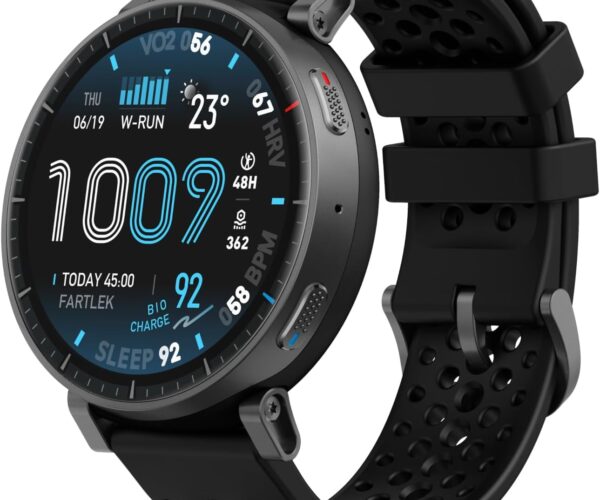
Smart clothing represents a more innovative branch of wearable technology. Integrating sensors directly into fabrics, this category focuses on providing data about the wearer’s body, such as heart rate or perspiration levels, without the need for additional devices. Smart clothing is particularly relevant for athletes and fitness enthusiasts looking for seamless, real-time body monitoring.
Finally, health-monitoring devices, which can include items like glucose monitors or sleep trackers, are specifically aimed at individuals managing chronic health conditions or those interested in detailed health insights. These devices provide vital information that can help users take proactive steps in managing their health effectively.
Benefits of Wearable Technology
Wearable technology has emerged as a transformative force in various aspects of daily life, offering numerous benefits that enhance health, connectivity, and convenience. One of the most significant advantages is improved health and fitness tracking. Wearable devices, such as smartwatches and fitness bands, facilitate real-time monitoring of vital signs, physical activity, and sleep patterns. This capability empowers users to take control of their health through data-driven insights, promoting healthier lifestyle choices and encouraging regular physical activity.
In addition to health monitoring, wearable technology enhances connectivity. Many devices are integrated with communication platforms, enabling users to receive notifications, messages, and calls directly on their wrists. This seamless connectivity allows users to stay informed and engaged without constantly checking their smartphones, fostering a more productive and connected lifestyle.
Furthermore, wearables offer unparalleled convenience. Many devices come equipped with various functionalities, from contactless payments to navigation assistance, providing users with efficient tools for daily tasks. This convenience helps streamline daily routines, allowing individuals to focus on their primary responsibilities without the distraction of managing multiple devices.
Moreover, personalized data management is a standout feature of wearable technology. Users can customize their experience according to their preferences, tailoring fitness goals, sleep settings, or health metrics. This level of personalization not only enhances user engagement but also ensures that data is relevant and actionable, further motivating individuals to make informed decisions about their well-being.
Overall, the benefits of wearable technology profoundly impact users’ daily lives, promoting healthier habits, fostering connectivity, and enhancing convenience. As technology continues to evolve, it is likely that these advantages will only grow, solidifying wearable devices as indispensable tools in modern living.
Challenges and Limitations
Despite the numerous advantages associated with wearable technology, there remain several challenges and limitations that cannot be overlooked. One significant concern is user privacy. Wearable devices continually collect and analyze personal data, which raises questions about who has access to this information and how it is utilized. Given the sensitive nature of health-related data, users often worry about their information being misused or breached. Furthermore, recent incidents involving large-scale data breaches have heightened these privacy concerns, casting doubt on the security protocols implemented by manufacturers.
Data security is another critical issue linked to wearable technology. Many devices connect to the internet and other networks, making them vulnerable to cyberattacks. The sophistication of these attacks is on the rise, with hackers increasingly targeting connected devices to gain unauthorized access to users’ personal details. Without robust encryption and security measures, data stored on wearables may be compromised, leading to potential identity theft or fraud.
Battery life is another noteworthy limitation affecting the wider adoption of wearable technology. While advancements have been made, the power consumption of many devices often exceeds their battery capacity, necessitating frequent recharging. Users may find this inconvenient, which can limit the device’s usability in daily life. A device that requires regular charging may not provide the continuous data tracking that many users expect, ultimately limiting its effectiveness.
Lastly, the potential for user dependency on wearable devices cannot be ignored. As individuals increasingly depend on these technologies for health monitoring, fitness tracking, and everyday tasks, there is a growing concern that they may become overly reliant on them. This dependency could impact personal interaction and decision-making, leading to reduced physical activity and social engagement.
The Impact of Wearable Technology on Health and Wellness
Wearable technology has significantly transformed the landscape of health and wellness, marking a substantial shift in how individuals manage their health. The proliferation of devices such as fitness trackers, smartwatches, and medical wearables has empowered users to monitor their health metrics in real-time. These metrics often include heart rate, steps taken, sleep patterns, and even oxygen levels, allowing for immediate feedback and insights into physical well-being.
One of the most profound impacts of wearable technology is in the realm of chronic disease management. Patients with conditions such as diabetes or hypertension can utilize wearables to track their vital signs continuously. This continuous monitoring enables timely interventions, helping to prevent complications and improve management strategies. For instance, some wearables are equipped with sensors that notify users when their glucose levels are outside the normal range, ensuring that they take corrective measures promptly.
Moreover, wearables have revolutionized fitness improvement by allowing individuals to set personalized goals and track their progress. Users can create tailored workout regimes based on their fitness levels and monitor their improvement over time. This interactive process fosters motivation and commitment, factors that are crucial for achieving long-term fitness goals.
Another significant advancement facilitated by wearable technology is in the realm of telemedicine. Healthcare providers can leverage these devices to obtain real-time data about their patients, allowing for remote monitoring. This capability not only streamlines healthcare delivery but also makes it more accessible to patients in remote or underserved areas, ensuring they receive timely care without the need for frequent hospital visits.
Additionally, personalized medicine has seen considerable enhancement through wearables, as these devices collect vast amounts of data that can be analyzed to tailor treatments. This holistic data-driven approach allows healthcare professionals to devise more effective treatment plans that cater to individual needs, ultimately fostering better health outcomes.
Future Trends in Wearable Technology
As wearables continue to evolve, the future of this technology promises significant advancements that could profoundly impact daily life and various industries. One of the most noteworthy trends is the integration of artificial intelligence (AI) within wearable devices. This integration aims to enhance user personalization, allowing wearables to adapt to individual preferences, monitor health metrics in real-time, and provide predictive health insights. For instance, devices may soon utilize AI algorithms to analyze data patterns and anticipate potential health issues before they escalate, thus prompting users to seek medical intervention when necessary.
Additionally, the incorporation of augmented reality (AR) into wearables is expected to transform user interaction with their surroundings. Smart glasses and head-mounted displays are likely to provide immersive experiences, merging virtual information with the physical world. Industries such as education and training, where immersive learning environments can bolster retention, stand to benefit greatly from this trend. Moreover, AR-enhanced wearables could illuminate new pathways in gaming, tourism, and real estate, allowing intricate visualizations and augmentations that were previously unfeasible.
Fashion-integrated devices are another burgeoning trend within wearable technology. Designers are increasingly focusing on aesthetics while ensuring that functionality does not take a backseat. This fusion of fashion and technology may lead to clothing and accessories that not only monitor biomarkers but do so without compromising style. Such innovations could cater to numerous demographics, allowing consumers to express themselves while reaping the benefits of technology.
In summary, as we look to the future, wearable technology appears poised for expansive growth, bridging gaps between health, fashion, and interactive experiences. Each trend signifies a step towards increasingly interconnected and technologically advanced lifestyles, potentially revolutionizing engagement in both personal and professional realms.
Wearable Technology in Different Sectors
In recent years, wearable technology has emerged as a groundbreaking innovation that continues to reshape various sectors, providing unique solutions and enhancing efficiency. One of the most significant areas where wearable technology is making a profound impact is healthcare. Devices such as smartwatches and fitness trackers incorporate sensors that monitor vital signs, physical activity, and sleep patterns. This data not only empowers individuals to manage their health proactively but also assists healthcare professionals in making informed decisions regarding patient care.
In the realm of entertainment, wearable technology has started to revolutionize user experience. Virtual reality (VR) headsets, which can be classified as wearable devices, immerse users in captivating digital environments. These systems have utilized advancements in graphics and motion sensors to deliver an engaging experience in gaming and cinematic applications. Additionally, augmented reality (AR) glasses are being used in gaming and tourism, providing layered information about real-world surroundings, thus bridging the gap between digital and physical realms.
The sports industry also benefits greatly from wearable technology. Athletes often use devices to measure performance metrics, analyze biomechanics, and track physiological responses during training. Sensors embedded in smart clothing or fitness trackers help coaches and trainers refine training regimens and minimize injury risks by providing actionable insights into player performance. Wearable technology assists in data-driven decisions, optimizing training intensity and recovery periods, which are essential for competitive readiness.
In education, wearable technology is being integrated into learning environments. Devices like smart glasses and fitness trackers facilitate new teaching methods while promoting student engagement. For instance, interactive learning experiences through augmented reality can enhance lessons in subjects such as science and history. As schools increasingly adopt these technologies, they are expanding educational opportunities and adapting to diverse learning styles.
Consumer Considerations When Choosing Wearable Devices
As the market for wearable technology continues to expand, consumers face a multitude of options when selecting a suitable device. Several key considerations should guide this choice, ensuring that the selected wearable aligns with personal needs and preferences.
First, brand reputation plays a pivotal role in consumer decisions. Established manufacturers often provide reliability and quality assurance, backed by user reviews and industry accolades. Researching a brand’s history and customer feedback can illuminate insights regarding the durability and functionality of their wearable technology.
Next, compatibility is essential. Consumers should determine whether the wearable device is designed to work seamlessly with their existing smartphones or tablets. Some wearables are tailored for specific ecosystems, such as Apple’s iOS or Android devices, while others offer broader compatibility. Ensuring that the chosen device interfaces smoothly with current technology can significantly enhance user experience.
Features are another critical consideration. Wearable devices come equipped with diverse functionalities, such as fitness tracking, heart rate monitoring, sleep analysis, and even smart notifications. It is vital for potential buyers to identify which features align with their lifestyle and health objectives. For instance, fitness enthusiasts may prioritize advanced health monitors while individuals focused on connectivity might favor devices with extensive notification capabilities.
Price points also vary considerably, making it crucial for consumers to establish a budget before diving into the market. Wearables are available across a wide range, from basic options to premium devices boasting sophisticated technology. Balancing the desired features with the allocated budget ensures that consumers make a financially sound decision.
Finally, personal health needs should shape the choice of wearable technology. Individuals should consider specific health metrics they wish to monitor, tailoring their selection to their health conditions and fitness goals. Understanding these elements is vital in finding a device that genuinely supports and enhances one’s well-being.
Conclusion and Final Thoughts
Wearable technology continues to play a pivotal role in the evolution of personal health and fitness, communication, and overall daily living. Throughout this blog post, we have explored the various facets of wearable technology, including its diverse applications, benefits, and the challenges it presents in contemporary society. The integration of smart devices, such as fitness trackers, smartwatches, and health monitors, has not only enhanced our ability to collect and analyze health data but has also provided unprecedented insights into personal well-being.
As we have seen, the significance of wearable technology transcends mere convenience; it represents a transformative shift in how individuals manage their health and interact with their environment. Wearable devices are becoming essential tools for fostering a proactive approach to health management, encouraging users to engage in physical activity, monitor vital signs, and maintain healthier lifestyles. Moreover, the connectivity offered by these devices allows for seamless communication and information sharing, enriching our social interactions and broadening our access to knowledge.
However, it is also important to acknowledge the challenges that accompany this technological advancement. Issues related to data privacy, security, and the digital divide pose significant concerns that must be addressed as wearable technology continues to develop. As consumers, it is essential to remain informed and vigilant about these aspects while embracing wearable technology to reap its full benefits.
In conclusion, by harnessing the advantages of wearable technology and actively participating in its growth, individuals can enhance their quality of life. Balancing the positive impact of such innovations with a cautious approach to their limitations will ensure that we effectively integrate these advancements into our daily routines, paving the way for a healthier and more connected future.